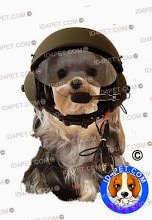
But why dogs shed? During the cold season, the dog coat grows heavier and thicker for protection against the harsh weather. When warmer weather comes, the coat thins out, shedding excess hair to allow the dog to stay cooler. However, this does not work quite as well for indoor dogs as their coat acclimates to controlled indoor temperatures and then gets confused when the dog goes outdoors for potty breaks, playtime, and walks. For this reason, some indoor dogs seem to shed year round.
There is not actually such thing as a “totally” non-shedding dog. All dogs shed at least a little hair at one time or another, just like humans. These are dogs that do not shed hairs, or very minimally if they do. This makes them a perfect pet for those with pet allergies. There are however dogs that shed little to no hair. Here is a list of popular breeds that shed little to no hair.
Bichon Frise
Bichon is a cheerful, small dog with a love of mischief and a lot of love to give. With his black eyes and fluffy white coat, the Bichon looks almost like a child’s toy. Thus Bichon is a popular member of the Toy group. Bichons coat is hair not fur like human. They are very low shedding, they do need daily grooming to keep the hair from matting and monthly trimming for easy care.
Chinese Crested
The Chinese Crested is an exotic-looking small dog who does not actually hail from China. He’s found in two variants: the Hairless, with silky hair on the head (the crest), tail (plume), and feet (socks); and the genetically recessive Powderpuff, who has a full coat.
The Chinese Crested Dog doesn’t shed like other dogs. Regular grooming on a daily or alternative day basis will prevent this problem from occurring.
Maltese
Maltese is one of several long coated breeds but they are on the smaller side and the only breed with pure white coast. The coat is much more like human hair who may be allergic to other breeds of dogs or cats may find that they can get along just fine with a Maltese. They do not shed their coats seasonally like dogs with short coats with the few dead hairs failing out periodically when they are groomed. Because of the long hair they do require ore maintenance than a short Sheds very little (often a good choice for allergy sufferers).
Schnauzer
Schnauzers make great indoor dogs because they won’t leave hair around your house. Schnauzers do not shed. They need to be groomed regularly however – because they don’t lose their hair, they need to be trimmed to keep them looking neat & tidy! If their hair is not trimmed, it will simply continue to grow.
Poodle
The poodle breed is found officially in toy, miniature, and standard sizes, with many coat colors. The Poodle can accommodate nearly any size living quarters. The Poodles are often cited as a hypoallergenic dog breed. Their individual hair follicles have an active growth period that is longer than that of many other breeds of dogs; combined with the tightly curled coat which slows the loss of dander and dead hair by trapping it in the curls, an individual poodle may release less dander and hair into the environment. In addition, most poodles are frequently brushed and bathed to keep them looking their best; this not only removes hair and dander but also controls the other potent allergen, and saliva.
Although dog hair itself is not a cause of human allergies, dog hair attracts and spreads skin dander, saliva proteins, dust, and pollen which trigger the stuffy nose, sneezing, and itchy, watery eyes. Many mixed breeds can be low shedding and hypoallergenic as well. If you are interested in adopting from your local shelter, talk to shelter workers about which dogs shed less and when you pick out a dog, spend some time with it to see how you react. If you are interested in a certain breed, find a reputable breeder who can discuss that particular breed’s characteristics and grooming needs with you.
source:
ID4PET